
By Tom Fox, Fingermark CEO.
The human experience doesn’t want a cashier.
Wait. What?
I’ve heard the concern.
A brand is weighing up self-ordering. The team nods along. Then someone in the back softly says it: “Customers want a human experience.”
Everyone nods harder. End of discussion.
But that line assumes something that was never actually confirmed: that customers want to wait to order, and that an awkward transaction is somehow part of an enjoyable moment.
Picture it. The line is out the door. Eventually, after what feels like an eternity, the customer reaches the counter. They’re reading the menu board above instead of making eye contact. The employee is eyes down, hands moving, repeating the order back and already mentally preparing for the next person in line.
That exchange is between humans. But it is absolutely not the warm, loyalty-building banter that marketing imagined from some faraway place with whiteboards instead of make lines. This isn’t the smiling cashier handing an order to a grateful customer on an aspirational poster.
Somewhere along the way, we let the word human become shorthand for good.
They were never the same thing. Because a human interaction isn’t automatically a meaningful interaction.
Here’s what a self-ordering kiosk actually does. It takes the part of the job no one finds meaningful and absorbs it. The order entry. The payment. The upsell prompt. The endless barrage of personal modifications that the employee resents.
What remains is the part humans are genuinely good at.
Greeting a guest. Helping a family navigate a busy lunch rush. Fixing the order that came out wrong. Making the transaction feel like a visit.
The human doesn’t disappear. The human gets moved to where they matter.
And what about the customer?
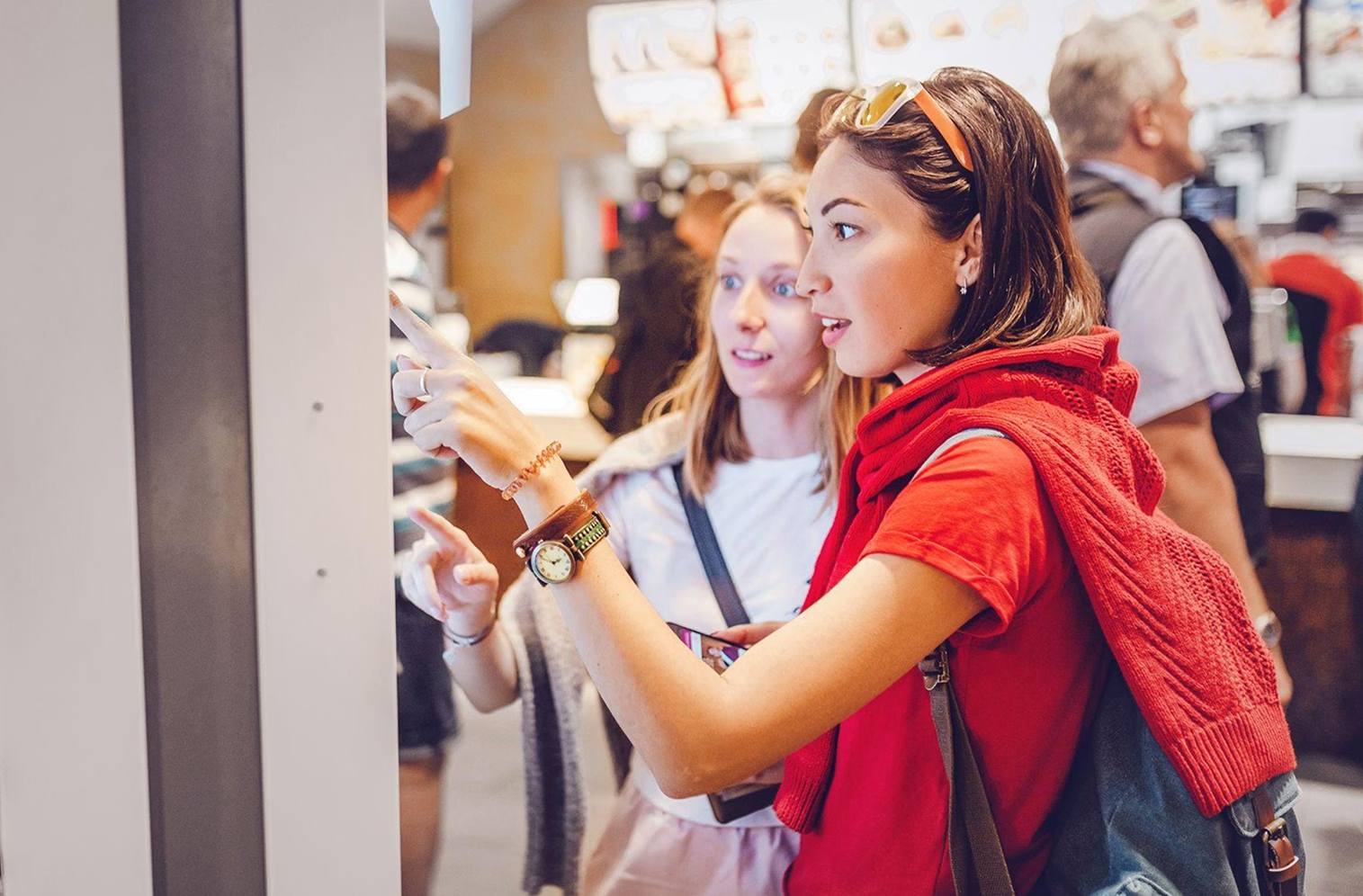
They’re ready. They check themselves in at airports. They scan their own groceries. They bank from their phones. They crossed this bridge years ago in every other corner of their lives.
Consumers are asking for less counter interaction. Not more
84% of U.S. consumers enjoy self-service kiosks, with 66% actually preferring them to staffed checkouts according to research by PYMNTS Intelligence.
The numbers are higher for younger guests, not because they’re antisocial.
Because they value speed, control, privacy and accuracy.
At the kiosk, they order more confidently. They customize without feeling rushed. They get the order right because no one is standing there waiting for them, and no one is silently judging them for adding that extra side. Accuracy is high because the kiosk speaks their language.
Do customers want a more human experience?
It’s the wrong question.
Instead we should be asking “in which parts of the experience can people add the most value?”